A rooftop revolution?
Making a dash for solar
Iran's closure of the Strait of Hormuz has disrupted a fifth of global oil supplies, laying bare Britain’s dependency when it comes to volatile fossil fuel prices.
The war in the Middle East might not be over, but the lesson the UK's learnt when it comes to our domestic energy policy is already clear.
With surging energy prices focusing minds, politicians and households are waking up to the truth that the only energy we can really rely on is that which we generate ourselves.
As Miliband put it, Britain must get off its dependence on fossil fuel markets and onto clean, homegrown power.
DESNZ’s latest Public Attitudes Tracker shows overall support for renewables at 78%, with opposition at just 5%. You might also spotted a recent government announcement to make 'plug-in solar' readily available in shops, (coming soon to a ‘middle of Lidl’ near you!).
The momentum is there, but we shouldn’t assume that equates to consent. Although the winds for renewables are blowing in the right direction, challenges still remain.
The minds might have been won, but the hearts must follow.
An increasingly vocal opposition.
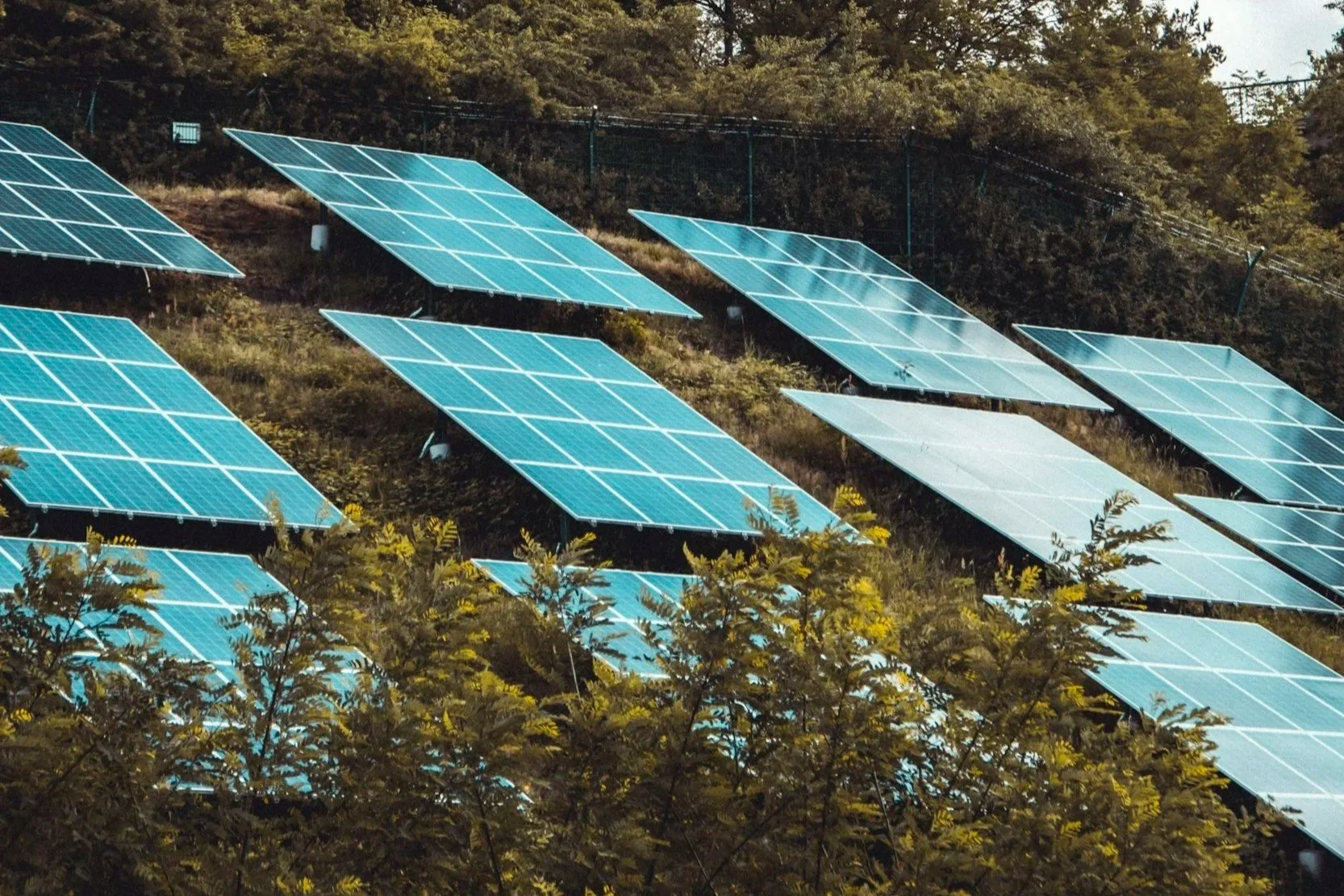
Community groups, councils and campaigners across the UK are pushing back against wind, battery and solar developments and the pylons we’ll need to connect them to the grid. Planning applications are being challenged, with projects delayed and some being blocked entirely.
It can’t be dismissed as straightforward NIMBYism. Many objectors raise legitimate concerns about the visual impact on landscapes, the pace of change in rural areas and who actually benefits when a development lands in their community.
When developers fail to clearly communicate positives these projects can bring, and when those questions go unanswered, opposition fills the vacuum.
There’s certainly a silent majority out there backing renewables. Polling by RenewableUK found 61% of us feel frustrated when local renewable projects supported by the majority of the community are blocked by a small number of objectors.
But that majority is being drowned out by a more vocal and organised minority that dominates conversations and sets the debate.
The renewable energy industry has, too often, led with the climate argument. And while that argument is right, it is not always enough.
For communities weighing up a solar farm on land they've farmed for generations, or a wind turbine on a hillside they've walked for decades, carbon targets feel intangible. Job creation, income, local social impact and the benefits of weaning ourselves off volatile oil prices can feel immediate.
It’s a case that isn't being made loudly enough.
The benefits of renewables go well beyond decarbonisation and the industry needs to start saying so, clearly and consistently.
Take jobs. The UK's Clean Energy Jobs Plan projects the clean energy workforce could rise from around 440,000 in 2023 to 860,000 by 2030, an army of much needed engineers, electricians, project managers and supply chain workers in often post-industrial communities. Offshore wind alone is estimated to support up to 100,000 jobs, with a typical salary around £10,000 higher than the UK average and the work is concentrated in coastal and industrial communities that badly need economic renewal.
When it comes to farming, a recent Solar Energy UK survey found that 37% of farmers say additional revenue from solar would help secure their farm for future generations. At a time when farm incomes are under enormous pressure, solar has become a genuine lifeline. That story deserves to be told far more loudly than it currently is.
And when it comes to community benefit, Great British Energy's own data shows more than 80% of us would be more likely to support a wind or solar farm in our local area if it offered a direct community benefit.Yet too many projects still arrive in communities without that offer clearly on the table. Community-owned energy projects, where revenues are reinvested locally, have been shown to generate a greater sense of community pride and empowerment among participants. Done well, a renewable project can fund village halls, support local charities and invest in infrastructure. Done poorly, or communicated poorly, it feels like something imposed from outside for someone else's gain.
The difference between those two outcomes is rarely the project itself, often, it's the comms and conversations surrounding it.
Does the industry have a comms problem?
The sector has a tendency to talk to itself. Reports, targets, gigawatts and grid capacity: language that lands well with government and in boardrooms, but leaves ordinary people out in the cold.
Meanwhile, opposition groups are typically far more effective. They speak in the emotive language of place, identity and loss. They show up at parish council meetings, produce leaflets, run social media campaigns and make their case on a personal level.
If the renewable industry wants to bring projects forward and build lasting public support, it needs to meet people where they are. That means leading with local community rather than climactic benefits. It means engaging communities early, throughout the planning process. It means being honest about trade-offs while making a clear, human case for what a project could actually deliver: lower bills, local jobs, secure income for farmers and community investment.
Parliamentary research shows that trusted local messengers, including working people who have embraced clean energy, are among the most effective voices for the transition. Whether in media profiles or case studies, the sector would do well to highlight more of those voices.
An inflection point for the industry
The government has confirmed that plug-in solar panels will be available in shops within months, giving households the chance to cut energy bills without the need for an electrician. The political will and commercial demand from the public is there.
However, goodwill doesn't automatically translate into developments coming forward. Appetite on a national level doesn't silence a well-organised local campaign.
Britain's energy transition is underway, but it’s still an argument that needs to be won: conversation by conversation.
The renewable industry has a compelling story to tell about jobs, farming, local investment and energy independence. The question is whether it will tell that story well enough, and soon enough, to match the pace of change we need.